Overview:
- Low-outgassing, single-component thixotropic paste with low post-cure outgassing
- Ideal for fast tacking, filling, sealing and bonding of components or wires
- Bonding of HGA head gimbal assemblies, and tamper-proofing of adjustable components
- Withstands -150°C to +150°C


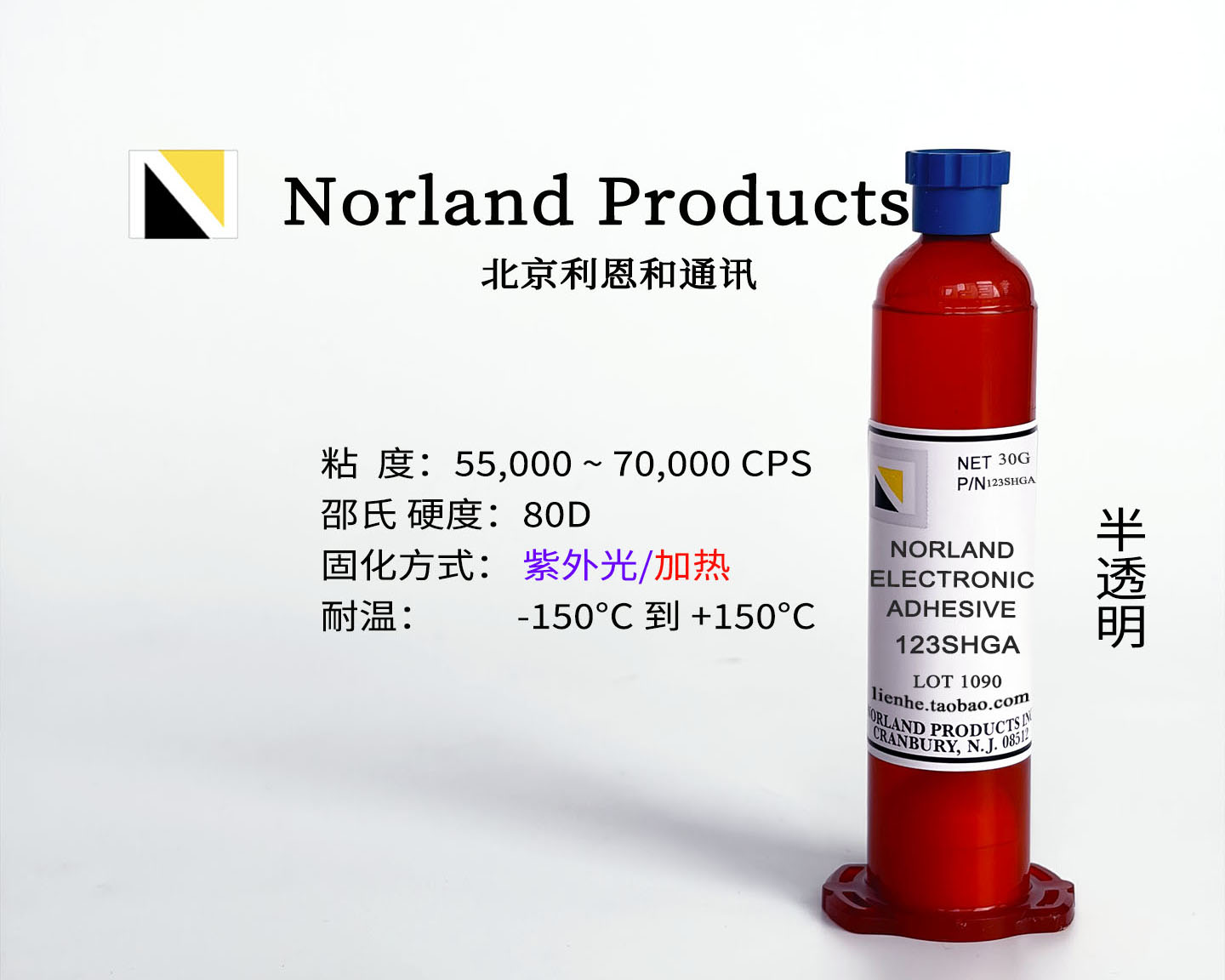
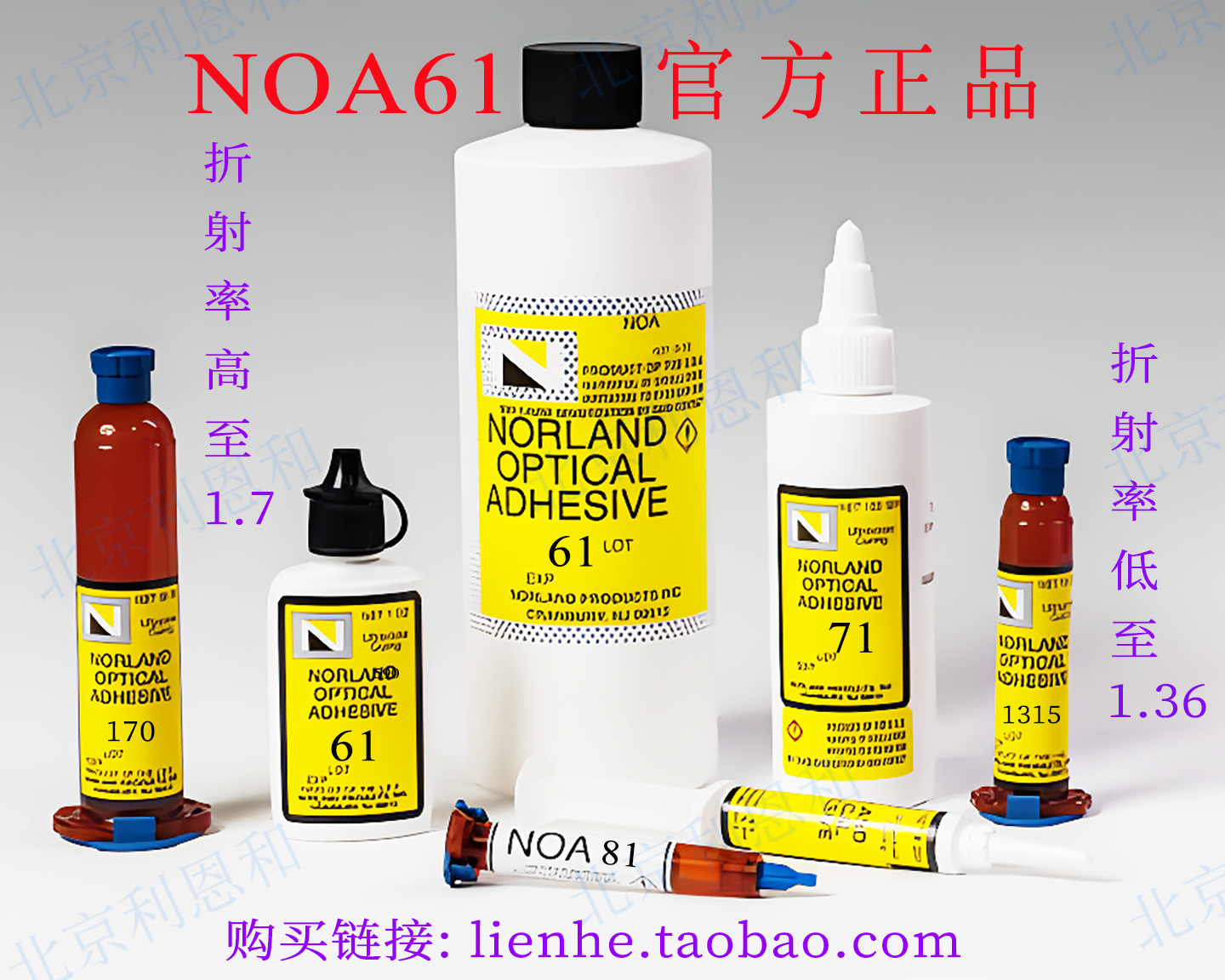
NEA123SHGA Standard packaging - 1 oz bottle, for lab and small-batch production
NEA123SHGA is a low-outgassing, single-component thixotropic paste similar to NEA123S, curing under UV in seconds to a tough, flexible, non-tacky polymer. Compared to standard NEA123S, NEA123SHGA has lower post-cure outgassing. NEA123SHGA cures in seconds yet remains stable without UV. It holds its shape before and after cure with no sag or distortion. This is why leading hard-drive manufacturers choose it for HGA bonding. Sensitive to 320-390nm UV, peak at ~365nm; full cure requires ~6 J/cm². Cure time depends on thickness and UV intensity. Ideal for small-area spot curing with handheld or benchtop UV spot lamps. Medium-pressure vapor lamps speed up cure; typically used with conveyors that isolate the operator from UV exposure. Besides UV cure, NEA123SHGA contains a latent thermal catalyst for shadowed areas: 125°C/10 min or 80°C/3 h in a convection oven. Thermal cure completes partially UV-cured bonds. It is unnecessary if all adhesive receives adequate UV. Heating already UV-cured parts is redundant but harmless and usually reduces outgassing. At 125°C oxygen inhibition is not an issue, but at lower temperatures air-exposed surfaces may remain tacky. Nitrogen enables tack-free low-temperature cure. Below 70°C cure is not practical. Both UV and thermal cure are exothermic; allow to cool to room temperature before testing. Excellent adhesion to glass, silica, stainless steel, aluminum, copper and common metals. Adhesion to plastics: good to fair on polypropylene, polycarbonate, acrylic, vinyl and acetal (DuPont Delrin). Bonded parts withstand -150°C to +150°C.
Technical Specifications:
| Viscosity @ 25°C, 1 rpm | 55,000 ~ 70,000 cps |
|---|---|
| Shore D Hardness | 80 |
| Tg | 20℃ |